


The Piano Place is so honored and thankful to all of our wonderful piano teachers in the area who nominated their students for this scholarship opportunity. Due to the amazing turn out, we will continue our monthly scholarship through the next few months. We hope this can make an impact in our local music community, help out our appreciated teachers, and help promising piano students.
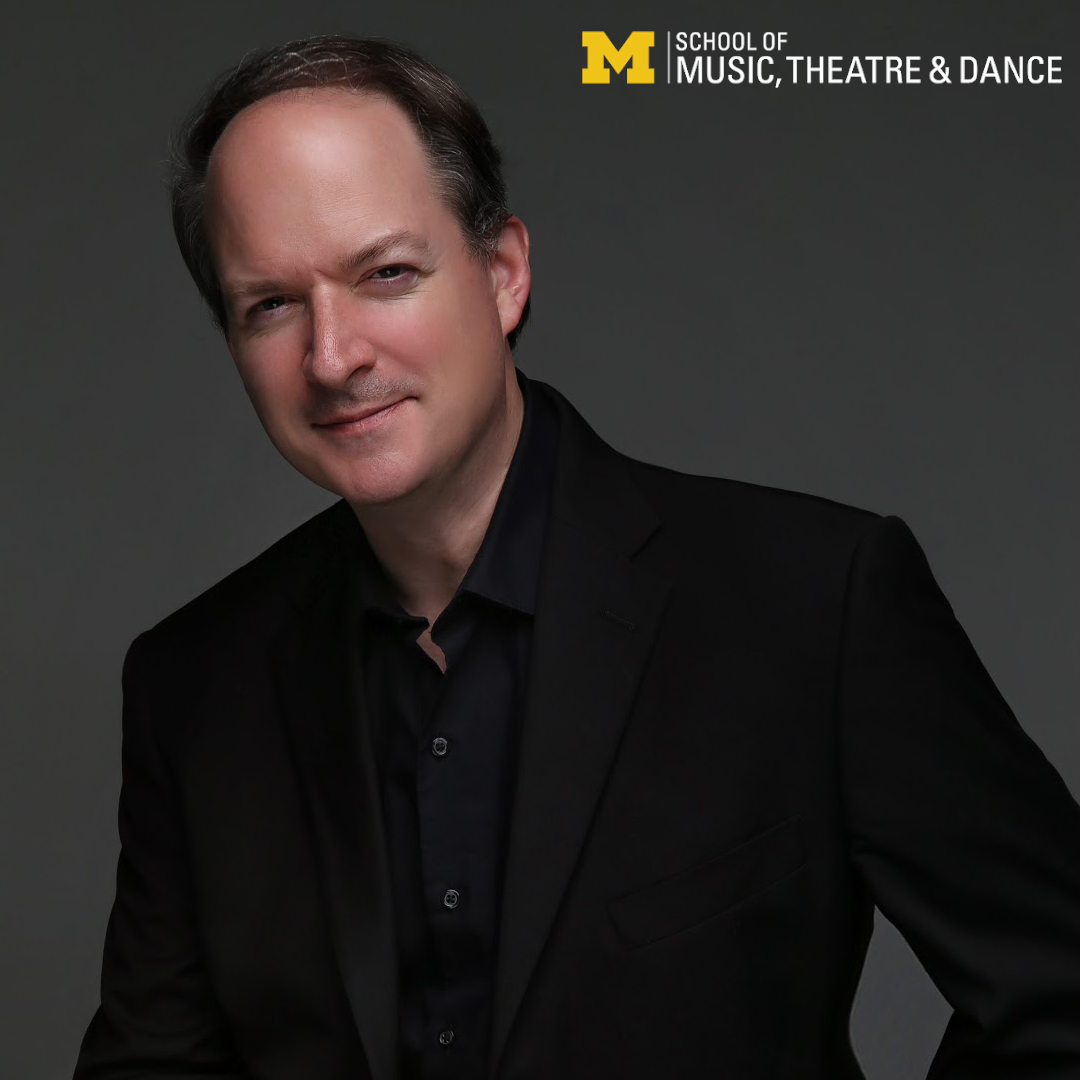
We were very touched by Mr. Harding's submission for his student:
"... is a high school senior and has been studying with me for 2 years. He is auditioning at all the major schools of music this fall... He is one of the most talented and intelligent young musicians I have ever worked with here in this area, a real artist already, a composer, and someone with an extremely distinguished career as a musician ahead of him."
- Christopher Harding, Chair of Piano Professor of Piano and Chamber Music, University of Michigan School of Music
The sky is the limit for this talented student and we cannot wait to award as many students as possible by the end of the year!
Want to know more? Contact us for additional info or have your piano teacher nominate you in the link below.

Comments will be approved before showing up.


Shopping for a digital piano in 2026 can feel overwhelming. The market is flooded with options across every price point, and the technical specifications — weighted keys, polyphony, touch sensitivity, sound engines — can make it hard to know where to start. This guide cuts through the noise and gives you the key things to look for when choosing a digital piano, whether you're buying for yourself or for a child just starting out.


If you've spent any time on TikTok in the past year or two, you've almost certainly paused mid-scroll to watch someone play the piano. Whether it's a child prodigy breezing through a complex classical piece, a teenager performing a jaw-dropping cover of a pop hit, or a hobbyist showing off a song they taught themselves in a week — piano content is everywhere, and it is absolutely thriving.


Learning piano used to mean booking a weekly lesson, sitting down with a teacher, and slowly working through a method book. That still works — but in 2026, an entirely new layer of learning has arrived, and it's powered by artificial intelligence.